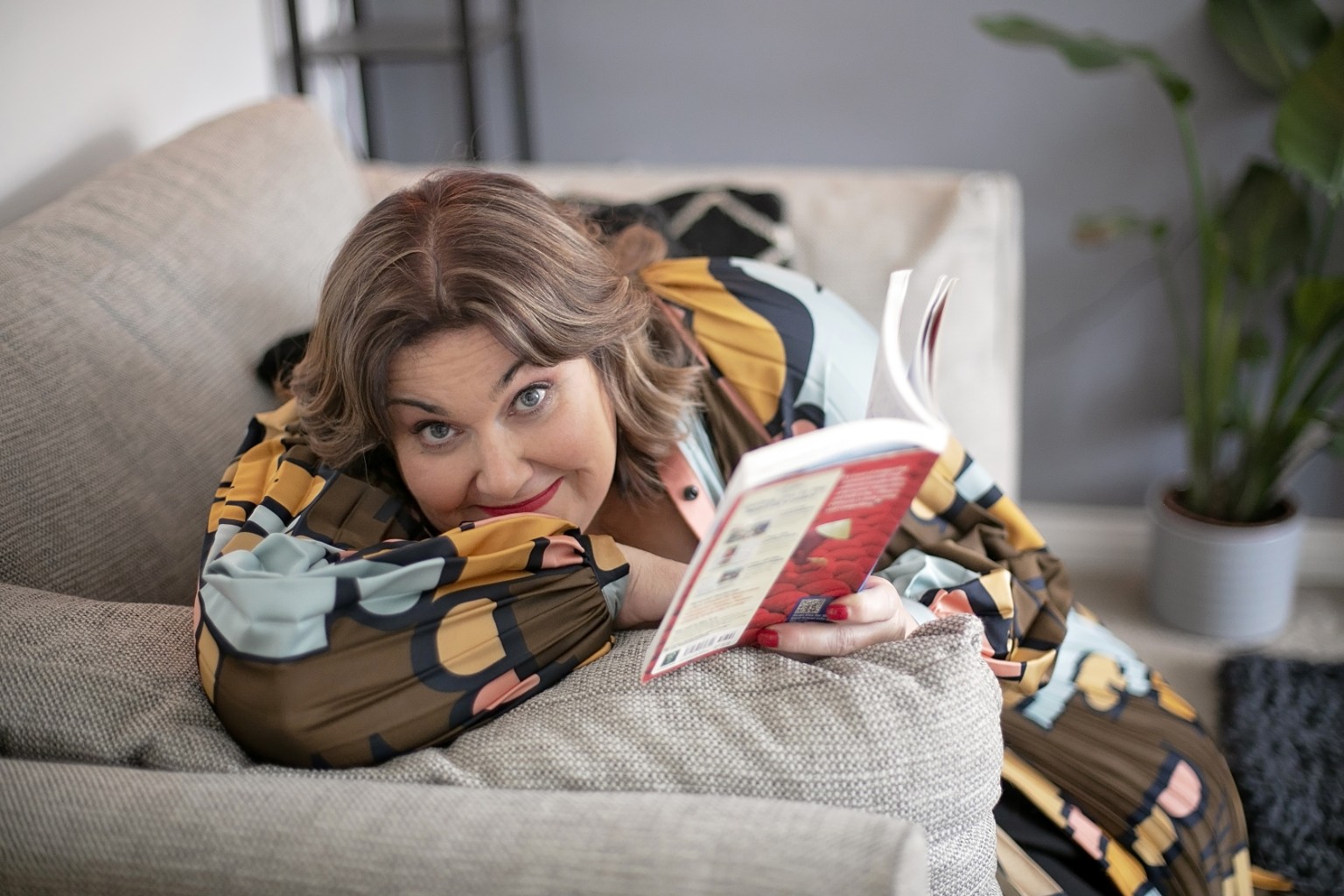
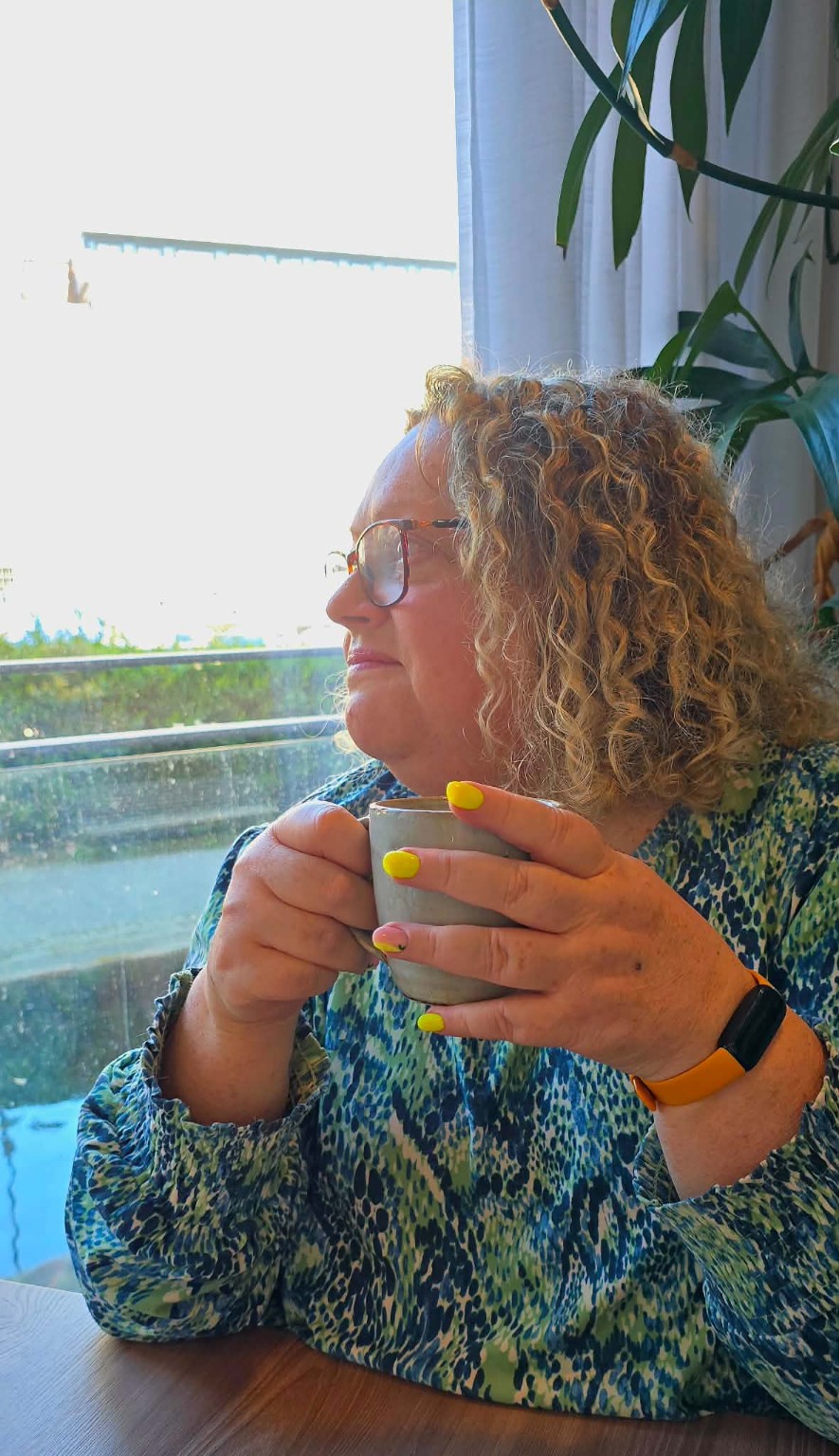
Life, viewed from a slightly different angle by a woman who began as a microbiologist, taught science, led special needs provision across several schools, trained adults and coached leaders in education and business, changed direction more than once and still occasionally loses her glasses while wearing them.
“If you met me today, you would never know that I have navigated trauma, cancer and profound loss.”
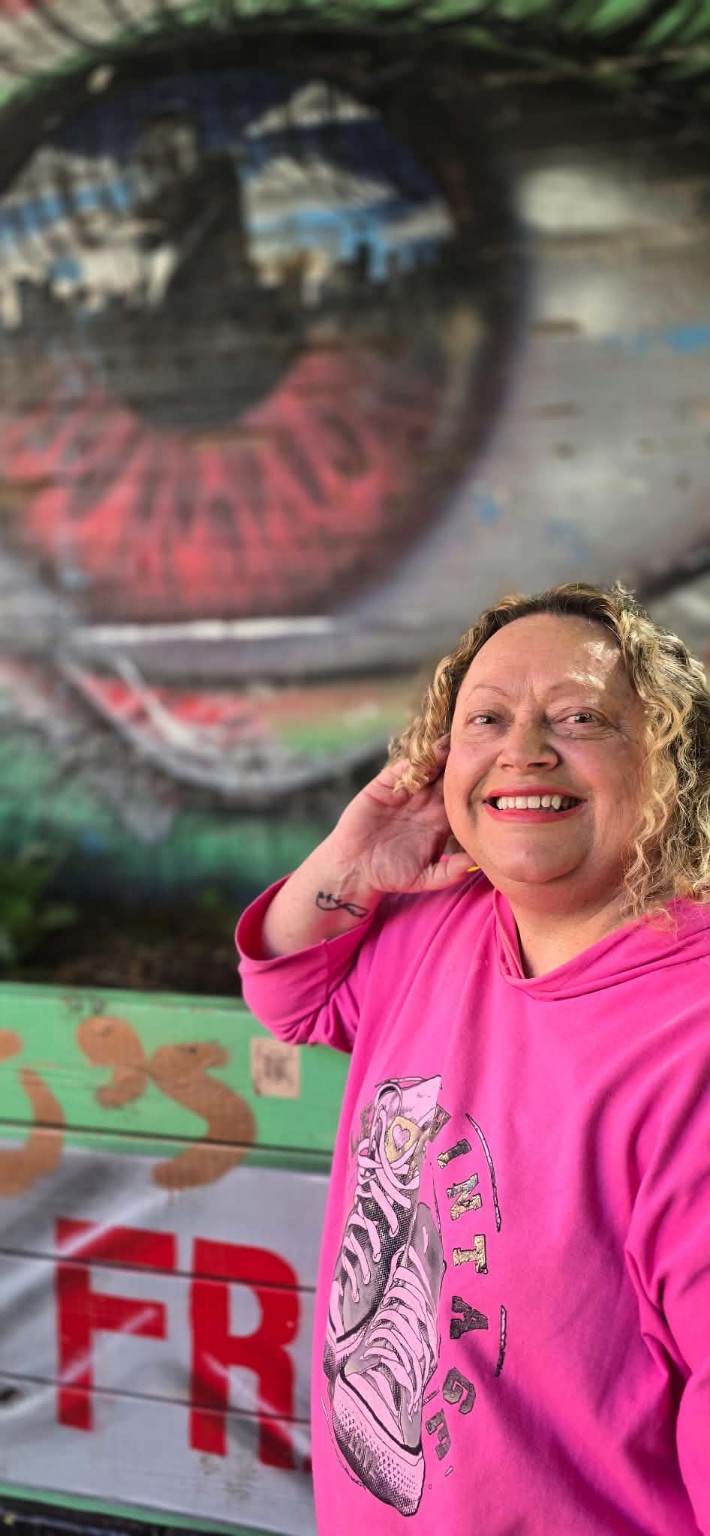
Carol Whiteley, survivor, advocate and founder of FLARE.
That was one of the first things Carol Whiteley said to me, and perhaps that is exactly why her story belongs in Wonderful Humans. We pass people every day with absolutely no idea what it has taken for them simply to be standing there.
Today, Carol talks openly about hope. She supports others. She speaks about survival and campaigns for people to get the help they need. But there was a time when hope was the one thing she had completely lost.
Carol is a survivor of domestic abuse and rape. Afterwards, she was carrying not only the trauma of what had happened to her, but enormous shame. She had even been told that she should never tell people her story because they would be disgusted by her.
So she didn’t.
At work, Carol told people that she had been involved in a car accident. Her relationship of 24 years also ended, bringing another huge loss at a time when she was already struggling to understand what had happened to her.
She tried medication. She tried counselling. But at that point, nothing seemed able to reach the place she had disappeared into.
Eventually Carol took early retirement, moved back to the area where her parents lived, bought herself a little two up, two down house and closed the door.
Not metaphorically.
She really did not want to come out.
Her world became smaller and darker until she reached the point where she no longer believed she wanted to be in it. Carol wrote a suicide note and obtained insulin, intending to use it to end her life.
But somewhere inside her was one final thought.
Before she did that, she needed to know she had tried everything.
And that tiny thought mattered.
Friends persuaded Carol to attend a life coaching day in Manchester. They did not know the full extent of what she was going through. They certainly did not know just how close she had come to ending her life.
Yet she went.
There was no sudden Hollywood moment where the clouds parted, inspirational music started playing and everything became wonderful again. Recovery rarely seems to behave that neatly.
But something had shifted.
Carol began rebuilding herself gradually. She has since spoken about using coaching, gratitude, journalling and work around self worth as part of that recovery. She also began reconnecting with herself through something incredibly ordinary: food and cooking.
And perhaps that is one of the things I find most powerful about Carol’s story. Recovery did not erase what happened. It did not rewrite it as something she needed to be grateful for. It simply meant that what happened to her was no longer going to be allowed to decide the rest of her life.
Then there was cancer.
Another enormous thing for one human being to navigate.
Yet the woman who once shut herself inside that little house kept moving forward.
Eventually Carol began doing something she had once been specifically warned never to do.
She started telling the truth.
She shared her story.
Because somewhere along the way, Carol realised that silence might have protected other people’s comfort, but it wasn’t necessarily protecting survivors.
Out of that came FLARE.
For Carol, FLARE is about using her own experience to help other people realise that they deserve support. It is about speaking openly about trauma, challenging shame and, most importantly, encouraging people to ask for HELP.
That word matters to her.
Help.
Because asking for it is not failure. Sometimes it is the decision that keeps somebody here long enough for life to change.
Carol has continued sharing her story and advocating for survivors, taking experiences she was once told to hide and using them to reach other people who may still be sitting in their own darkness.
And then, just as I was preparing this interview, Carol sent me another update.
FLARE, and Carol’s passion for helping others by sharing her story and advocating that people need HELP, is getting a star on the walkway at The Light in Leeds.
I read that and immediately thought about the symbolism of it.
A woman who once bought a little house, shut the door and wanted to disappear from the world is now going to have a star marking the difference she has made in it.
That is quite a journey.
But I don’t think Carol’s story is really about awards, stars or even extraordinary resilience.
I think it is about what can happen in the space between two moments.
In one moment, a woman is sitting inside a closed house believing her life is finished.
In another, that same woman is using her voice to help somebody else believe theirs isn’t.
We often talk about hope as though it is something enormous. A great revelation. A blazing light at the end of a tunnel.
Sometimes it isn’t.
Sometimes hope is simply the tiny thought that says:
Before I give up, I’ll try one more thing.
Carol did.
And because she did, other people may now find the courage to do the same.
That, for me, is what makes Carol Whiteley one of my Wonderful Humans.
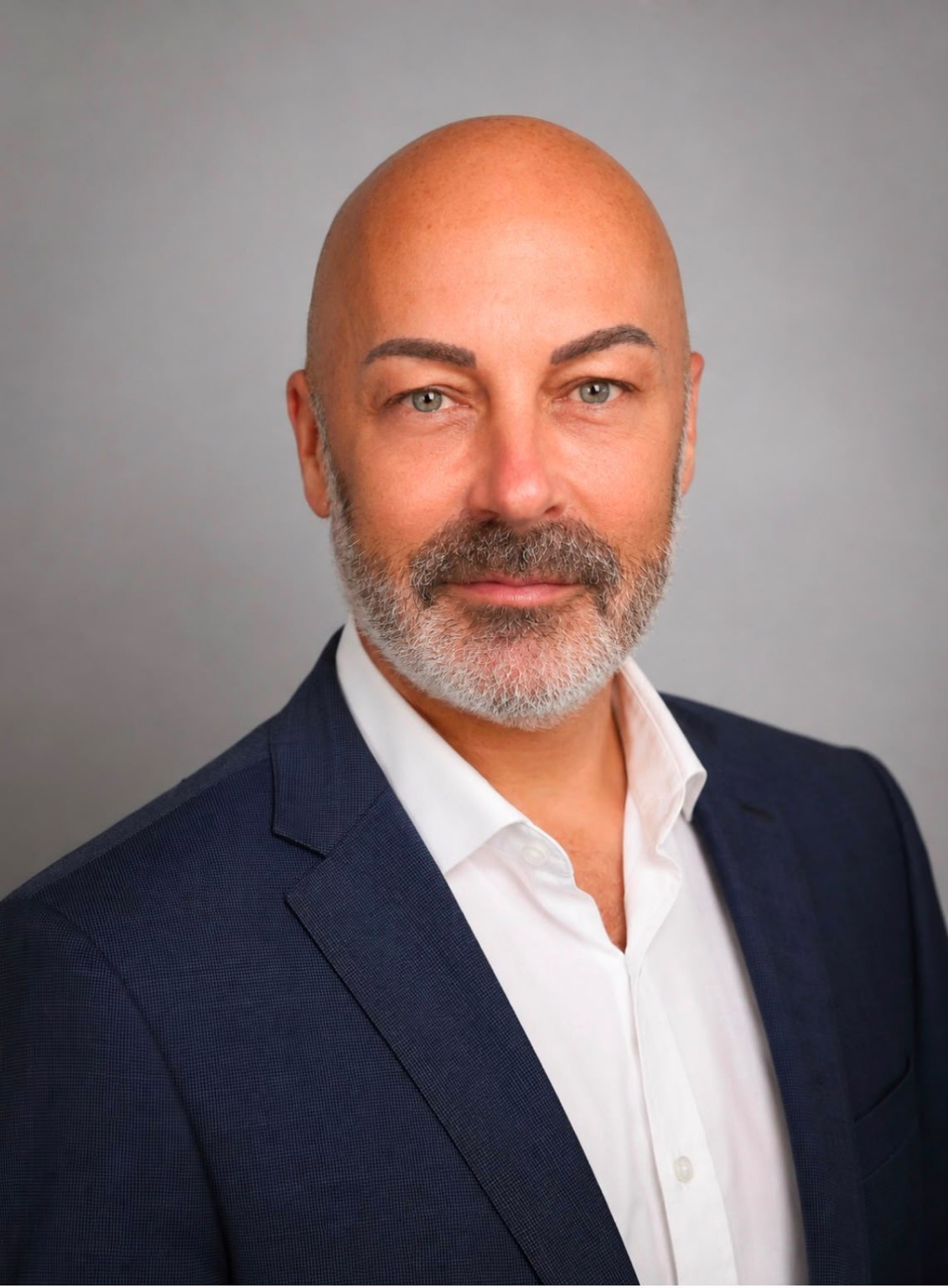
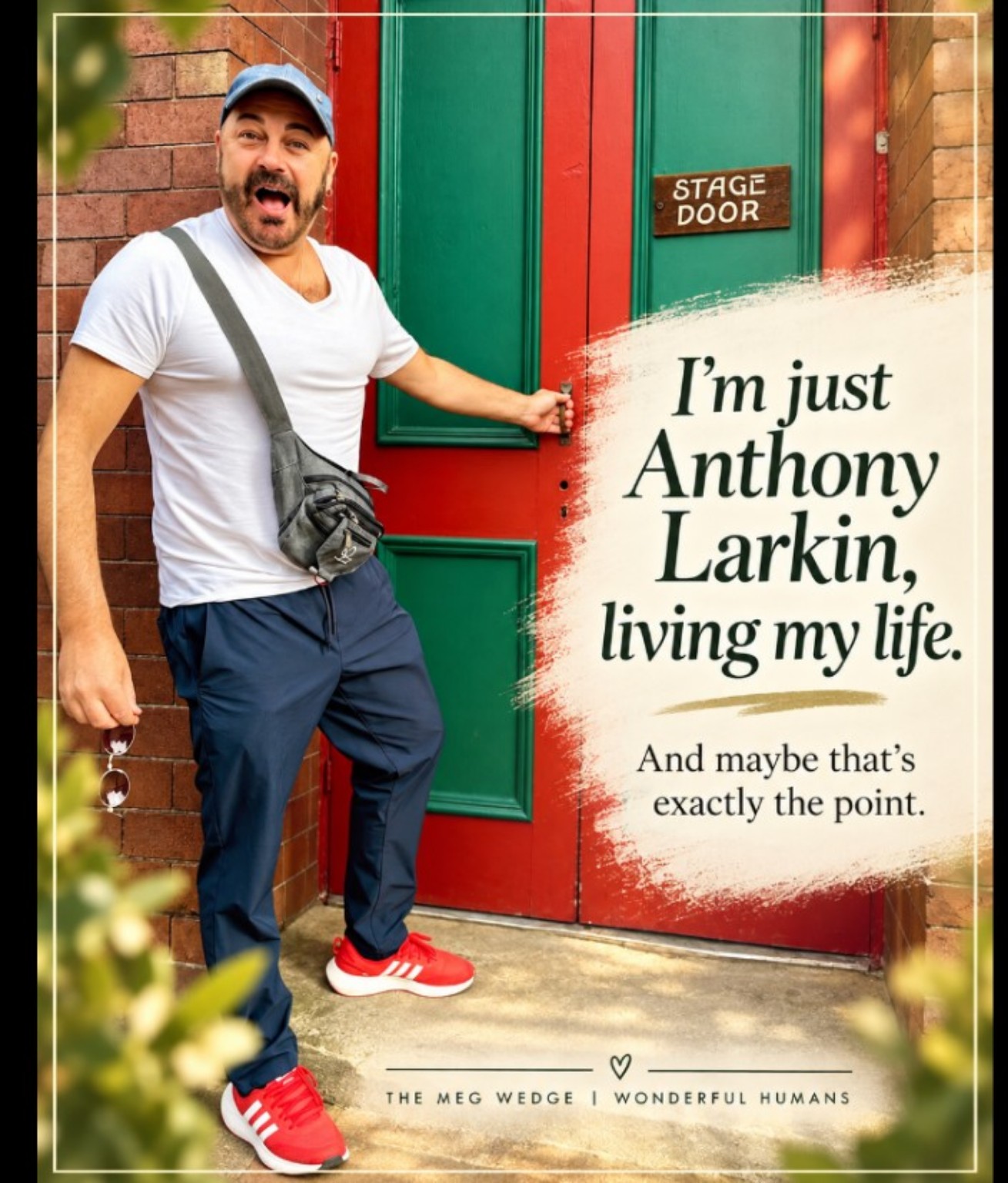
“I’m just Anthony Larkin, living my life. I’m just me.”
When I first asked Anthony to be part of Wonderful Humans, his immediate reaction was that he didn’t particularly see himself as inspirational.
“I’m just Anthony Larkin, living my life. To know that somebody else might look at something I’ve done, something I’ve experienced or the way I’ve lived my life and find some inspiration in it is an incredible compliment, and I genuinely appreciate it. But I certainly don’t want to put myself on a pedestal. I’m just me.”
And that might be exactly why I wanted to tell his story. Because perhaps wonderful humans aren’t people standing on pedestals. Perhaps they’re simply people living complicated, imperfect and interesting lives; getting some things right, getting something spectacularly wrong, learning, losing people, starting again and remaining curious about what might still be waiting around the corner.
Anthony is approaching 50, comes from South Yorkshire and has been a nurse for around 25 years, much of that time caring for people approaching the end of their lives. But nursing is only one part of him.
As a child, Anthony was quiet and quite happy in his own company. “Not lonely, there’s a difference.” He read, wrote, created things and disappeared into fictional worlds of his own making. Teachers regularly described him as “easily distracted”, although looking back, Anthony thinks he was probably just bored. “My mind was constantly wandering beyond the classroom walls and wondering what else was out there. Interestingly, that hasn’t changed very much!”
Frightened. Did it anyway.
That curiosity seems to have become one of the threads running through his entire life. Anthony originally wanted to be an actor and threw himself into acting. Although it never became his professional career, he now recognises that it gave him something far more important. “It gave me Anthony.”
Before acting, he was reserved, quiet and reluctant to share his opinions. Theatre taught him confidence, communication and how to adapt to different people and situations, skills he later used as a nurse, drama teacher, director and now interviewer. As Anthony puts it, sometimes the thing you think you’re doing for one reason turns out to have been preparing you for something completely different.
I love that thought, because how many of us look back at something that “didn’t work out” and automatically file it under failure? Perhaps some roads aren’t supposed to become destinations. Perhaps they simply teach us something we need for the next bit.
Anthony eventually trained as a nurse, but theatre never went away. He ran his own drama group for around 20 years, sometimes with around 30 children under his guidance, and today he’s involved with Barnsley’s Lamproom Theatre Company. He’s written and published a book, trained in Reiki and Angelic Reiki, created businesses and projects and, more recently, launched the Anthony Larkin Podcast, exploring spirituality, consciousness, mediumship, near-death experiences and some of those enormous questions about life and what might happen afterwards.
Oh, and there is another little chapter.
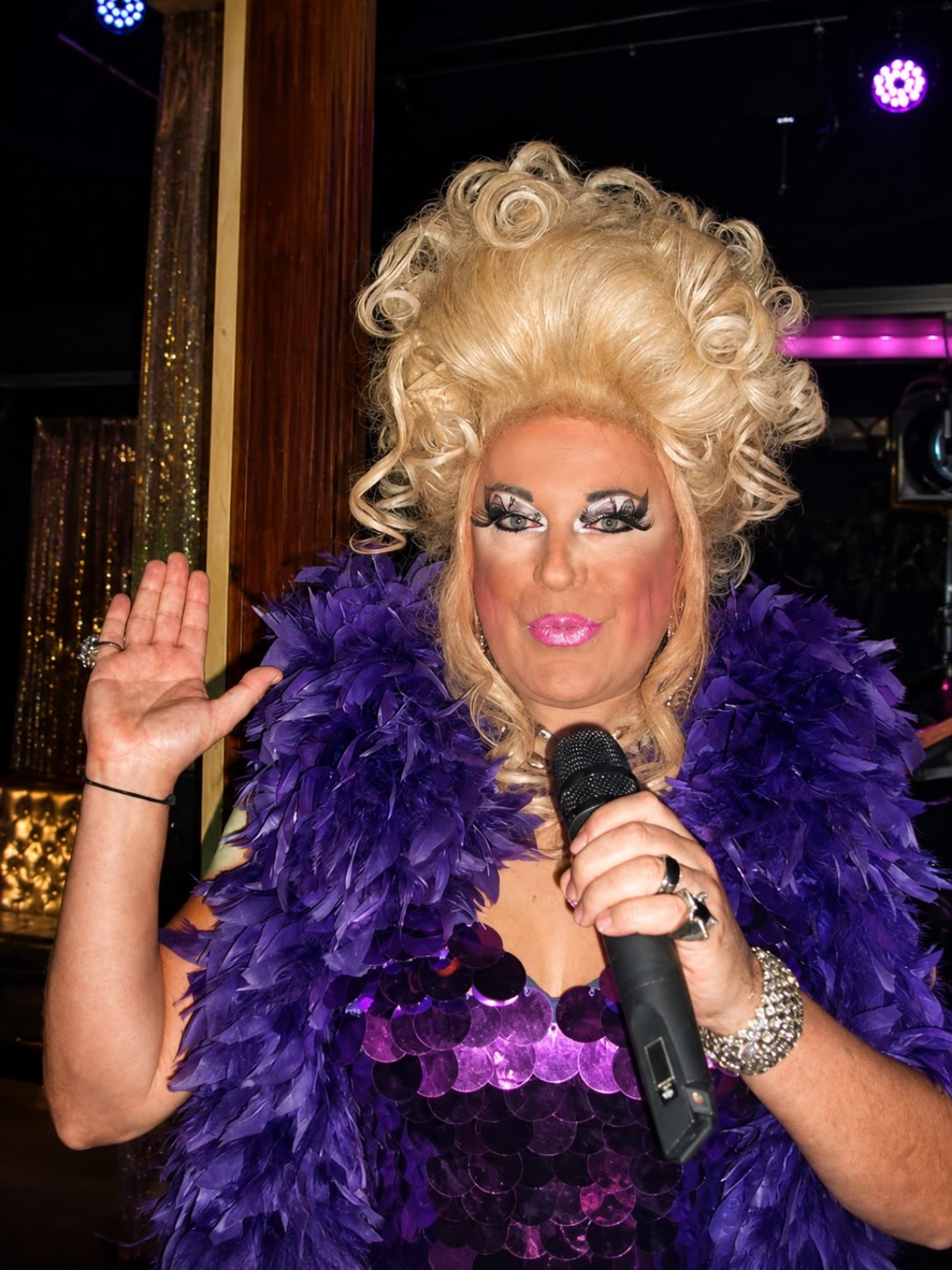
For somewhere between 15 and 20 years, Anthony performed as a female impersonator called Miss Fanny D. His first number came from Grease. He changed “Look at Me, I’m Sandra Dee” to “Look at Me, I’m Fanny D”, and Fanny was born. What began as performing to raise money for charity developed into gigs and eventually a place in a Wakefield nightclub. At one point there was even a bar named after Miss Fanny. “My name, or at least hers, was literally in lights!”
She’s retired now, but Anthony has absolutely no regrets. “I wanted to experience it, I did it, and I don’t have to spend my life wondering ‘what if?’ There’s another little life lesson hiding in there somewhere. Sometimes you really can just think, I want to do that and have a go. That simple!”
When life gets harder
Anthony’s story isn’t simply a collection of colourful experiences. When I asked him about the biggest challenge he had faced, his answer was one word: grief.
“I struggled with this question initially because I thought a challenge should be something you’ve overcome. I’m not sure I’ve overcome grief. I’ve learned to live alongside it.”
Anthony lost his grandmother, whom he called Mama, in 2013. Then, in December 2022, he lost his miniature poodle, Sindee. Both losses devastated him. “Sometimes, years after somebody has gone, everything is perfectly normal, and then suddenly grief comes and stands next to me again.”
Perhaps that is a much more truthful description of grief than the idea that we somehow “get over” people. We learn to live around the space they leave behind, and sometimes grief wanders back in and sits beside us for a while.
Anthony has also experienced another kind of loss. Before meeting his current partner Adam, Anthony was in a long-term relationship. They had a mortgage, shared finances, pets and what he describes as their own little family unit. Eventually the relationship ended. There was no enormous explosion or terrible fallout; they had simply reached the end.
What Anthony hadn’t anticipated was the grief that came with losing not just a romantic relationship, but the companionship, security, family and future that had existed around it. His mental health deteriorated considerably. And, looking back, he can see the warning signs. At the time, he couldn’t.
Eventually Anthony reached a serious mental-health crisis and knew he needed help. He telephoned work and a colleague called Kerry answered. “I remember saying, ‘Kerry, I’ve done something daft.’” She understood that he was in distress, and Anthony was taken to hospital. He subsequently received mental-health treatment and spent a significant period away from work.
“That telephone call changed everything.”
Anthony has spiritual beliefs and sometimes wonders whether something nudged him towards making that call. Someone else might describe it as instinct, coincidence or simply the part of him that knew he needed help. Anthony doesn’t claim to know. “Whatever it was, I made the telephone call. And I’m glad I did.”
There wasn’t one magical moment afterwards when somebody fixed everything. His family, friends, colleagues and workplace supported him, and recovery happened gradually. What this teaches us is that rebuilding doesn’t always arrive accompanied by triumphant music and sudden revelation. Sometimes it is a collection of tiny things, getting through a day, accepting help, going somewhere you wouldn’t normally go, meeting somebody for coffee or simply allowing yourself to imagine that life can begin to look different again.
The brown butterfly
During Anthony’s recovery, his workplace funded some Reiki sessions. During one session, he experienced something he can still picture clearly today.
He saw himself walking down a beautiful, cobbled street carrying a plain brown cardboard box. At the bottom of the street, he put it down, opened it, and a brown butterfly flew out. Anthony immediately felt that the butterfly represented his former partner.
“The emotional release was extraordinary. I don’t describe it as an enormous spiritual awakening but, for me, it was healing. Something inside me seemed to understand through that image what I’d been struggling to do consciously. At last, I could let him go.”
Anthony, being Anthony, wanted to research what had actually happened during those Reiki sessions. Through this, he went on to train in Reiki and later Angelic Reiki, where he became a successful practitioner.
Anthony is very clear about one thing. “I would never say I’m grateful that I experienced a mental-health crisis. I’m not. But I can recognise that something meaningful grew in its aftermath that I could never possibly have predicted while I was going through it.”
That distinction feels important. We don’t have to pretend terrible experiences were secretly wonderful. Sometimes terrible things are simply terrible. But that doesn’t mean nothing can ever grow afterwards.
Allowing yourself another life
Perhaps one of Anthony’s first real steps forward was allowing himself to believe he could have another life. He moved in with his sister for around six months and eventually decided he might try dating again. Two coffee dates came and went. Then came date number three: Adam.
It was a blind date. Anthony remembers travelling towards Leeds with a strange sense of knowing that this man was somehow going to remain in his life. Around 15 years later, he has.
Anthony and Adam still don’t live together. Initially, that was practical. Adam is from Bradford, Anthony from Barnsley, and both had careers and lives they loved. Neither particularly wanted the other to give something up simply because society says couples are supposed to share a house. So, they created a relationship that worked for them. They speak and FaceTime every day, spend lots of time together and are completely there for one another. Anthony describes Adam as the person who has probably made the biggest difference to his life. “He’s encouraged me to be independent rather than dependent upon him.”
That included learning to handle money. Before Adam, Anthony spent much of his adult life in some form of debt. There were periods when his wages wouldn’t clear his overdraft and letters would land on the floor that he was frightened to open. Over time, Adam helped him look at money differently. Anthony learned to save and stopped constantly living beyond his means. Although he did tell me, “Don’t misunderstand me, I can still spend money incredibly quickly when I want to!”
His mum and Auntie Janet are also part of what he now describes as the backbone of his life. Along the way, he has learned something that quite a few of us might benefit from hearing: you can love people individually without becoming responsible for disagreements that aren’t yours. You are allowed to love two people without carrying their argument for them.
Frightening, but do it!
When I asked Anthony what he was most proud of, you might expect him to say 25 years of nursing, writing a book, running a drama group for two decades or starting his podcast. Nope. He performed in a musical.
Anthony adores musical theatre and for years desperately wanted to perform in one himself. There were two slight problems. “I can’t sing, and I can’t dance.” Minor details! At the time, he was also around five stone heavier than he is today, and even a simple dance routine could leave him breathless. But he wanted to do it, so he auditioned and was cast as Simeon in Joseph and the Amazing Technicolour Dreamcoat.
He remembers the technical rehearsal when a microphone was put around his ear, and the sudden realisation hit him that his voice was about to boom through the theatre. His heart was pounding, his mouth was dry, and his moment in the spotlight was getting closer. “The fear was unbelievable. But I did it.”
Playing Simeon in Joseph and the Amazing Technicolour Dreamcoat.
That week became one of the most magical experiences of his life. He has performed in musical theatre ever since. His confidence still comes and goes, but, as Anthony says, “I’m five stone lighter now… and they’re doing The Little Mermaid next. Who knows? Perhaps I’m not finished yet.”
And perhaps this is the bit I want to leave sitting with you. Anthony doesn’t describe himself as fearless. What he says is: “I’ve learned that being frightened doesn’t necessarily mean don’t do it.”
He has learned that something not working out doesn’t automatically make it a failure. He has learned that grief can floor him and somehow, eventually, he will stand again. He has learned independence and, perhaps most importantly, he has stopped expecting himself to have completely figured out who Anthony really is. “I’m still discovering him.” And I rather love that at nearly 50. Actually, I rather love that at any age.
Ask the universe, then get involved
Before we finished, I asked Anthony what message he would leave with somebody who was struggling or wondering whether there might still be something more waiting for them.
His answer was beautifully Anthony. “Ask the universe.”
But he doesn’t mean sitting on the sofa asking the universe for a new life while eating biscuits and waiting for it to be delivered. He means: “Put the thought out there. Then participate in making it happen.” Dream about it. Explore it. Audition. Make that phone call. Go on the coffee date. Start the course. Create the thing. Ask the question. You might just succeed! You could be rubbish at it. It might lead somewhere completely different. It might never happen at all. But, as Anthony says, “I’d rather try than spend the rest of my life wondering what might have happened if I hadn’t.”
So, ask the universe. Dream about it. Manifest the thought. But then participate in making it happen. And whatever age you are… don’t stop wondering what’s next.
Experience does not arrive with a use-by date, and reinvention is not reserved for the young.
People begin new jobs, build businesses, change direction and make themselves useful in entirely new ways at every age. Perhaps the real problem is not that older people have less to offer, but that society sometimes forgets to look properly.
I am not winding down. I am gathering momentum, with better stories, stronger boundaries and considerably less patience for nonsense.
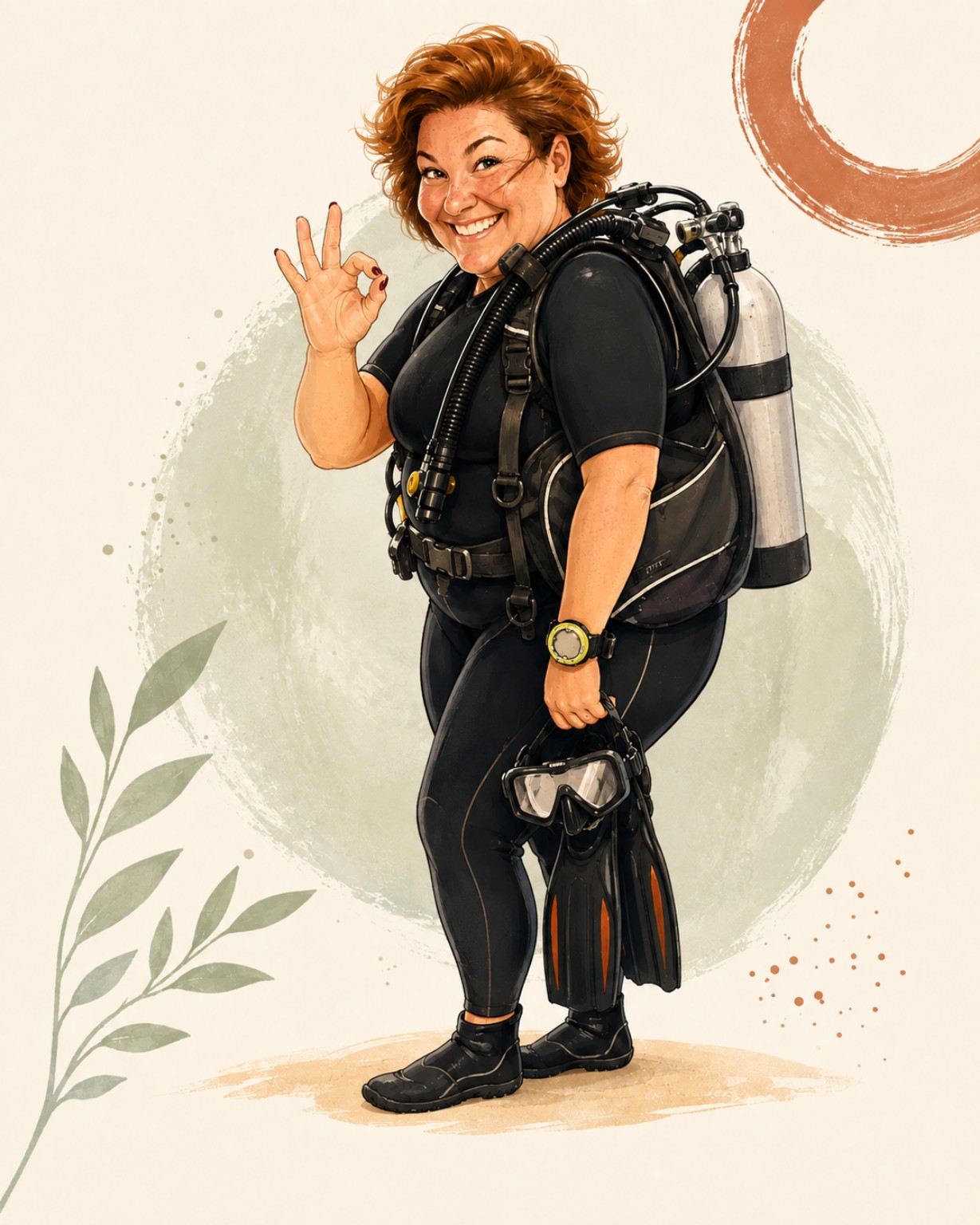
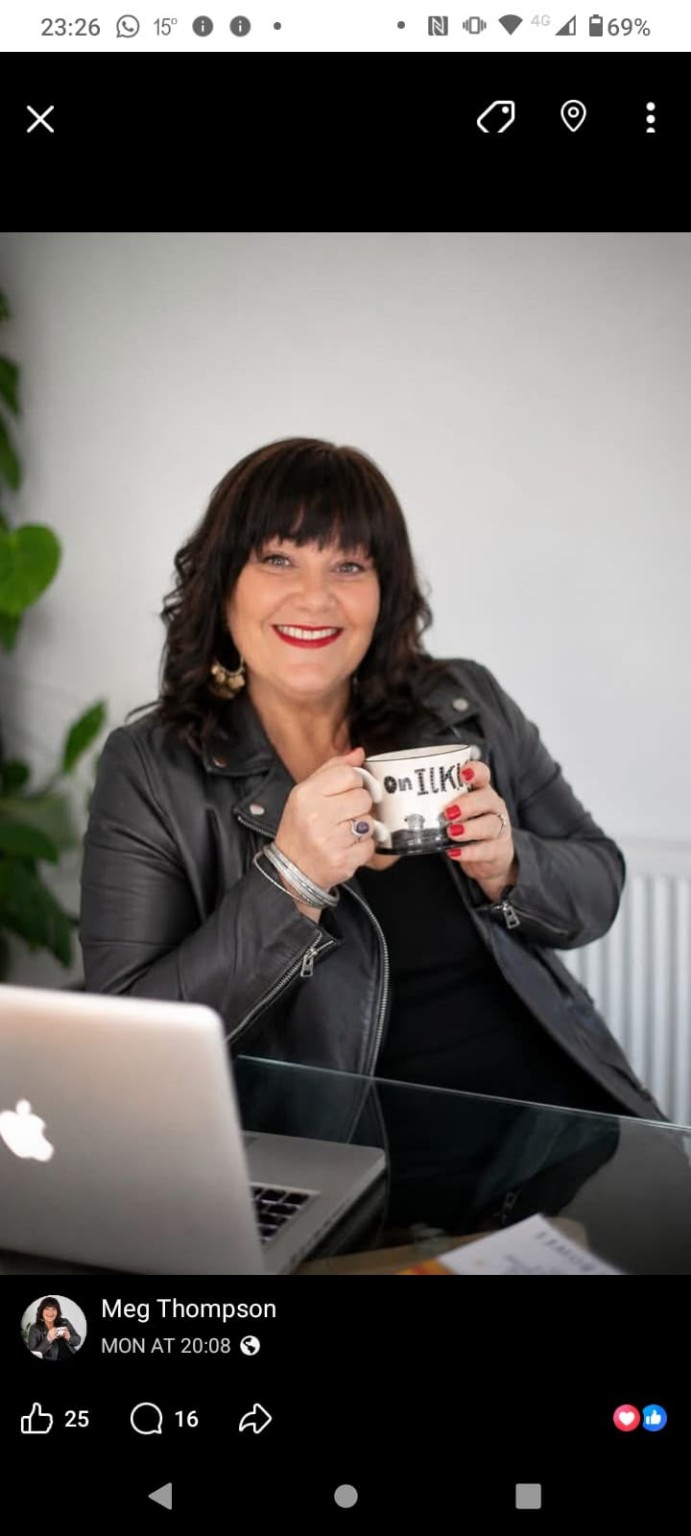
Meg Thompson / Writer / Curious human
The woman behind the wedge
I’ve done a lot. I’m not done yet.
Teacher, trainer, biologist, former school leader, interviewer, maker and professional question-asker.
I’ve spent a career helping people learn, grow and see what they are capable of. The Meg Wedge is where I bring together human stories, practical ideas, psychology and the humour that gets us through.
It is intelligent without being up itself, thoughtful without being solemn, and proudly northern.
Written by Meg. Lived by actual people.
Same stories. New angles. More voices.
A brighter view.
Instagram @themegwedgeTikTok @themegwedgeFacebook The Meg Wedge